
Yihao Classroom
Expert explanation of the correct use of oil and fat
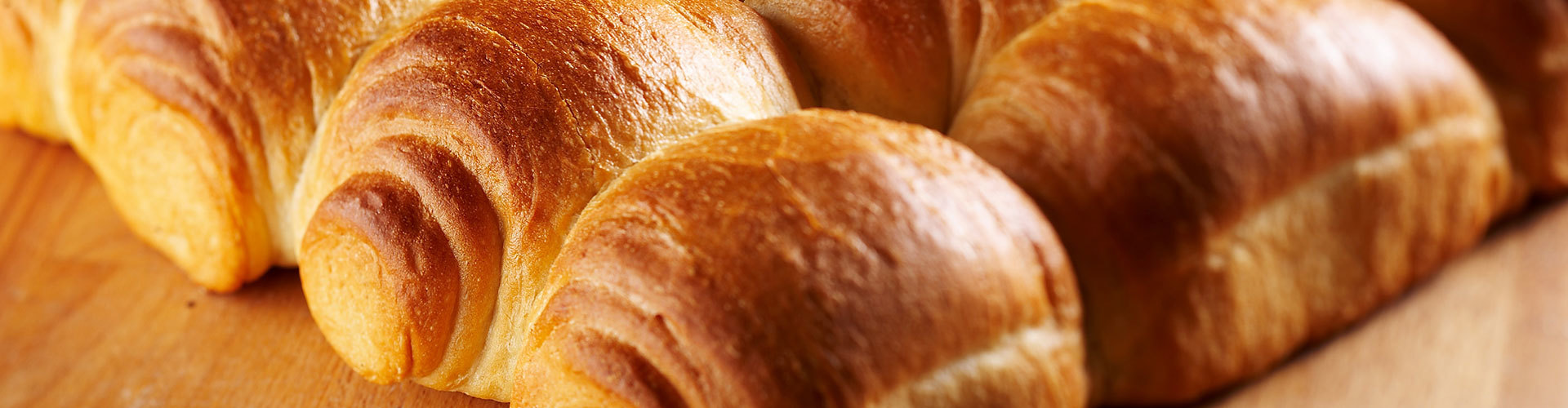
1. The function of fats in bread: As mentioned above, bread can be made without fats, but from the perspective of product quality, only with the appropriate use of fats can various ideal breads be made. Adding fats during dough mixing will form a monomolecular film at the interface of gluten and starch, which is closely combined with gluten and not easily separated, making the gluten softer, increasing the gas retention of the dough, increasing the bread volume, inhibiting the bread structure, increasing the gloss of the bread crust, making the bread soft and delicious, and improving the nutritional value of the bread. However, if too much fat is used, the opposite effect of smaller volume and rough texture will occur. The amount of fat used in bread generally does not exceed 12%.
2. The oily function of fats: The size of the oiliness of fats mainly affects the crispness and tenderness of biscuits, pastries, and pies. The greater the oiliness of the fat, the greater the crispness of pastries, etc., and the better the taste. Among fats, lard has the greatest oiliness.
3. The aroma retention performance of fats in baked products: The aroma of fats comes from two aspects: one is the aroma from the fats themselves. This kind of fat contains more animal fat components, so it has a natural light animal fat aroma, retains its aroma well after baking, and is a healthy fat; the other is from artificially added flavors and fragrances. This kind of fat has a strong aroma, but the aroma retention is poor after baking, and most of the flavorings are derived from chemically synthesized raw materials, which are harmful to health if consumed for a long time. Low-grade fats have poor oil base quality, mostly palm oil, and the stronger the added aroma, the better, which is a misconception. The choice of fats should be based on the oil base, and the source of the aroma should be considered, rather than simply emphasizing the aroma.
4. The stability performance of fats: When fats are mixed, air is mixed in, which has the effect of stabilizing the batter and preventing the batter from collapsing during baking until other ingredients, such as gluten, coagulate to form a structure. The smaller and more numerous the bubbles in the batter, the wider the distribution, the greater the strength, the larger the product volume, and the better the texture. Ordinary fats have poor emulsification in the batter, so the amount of fat used does not exceed 40% of the total percentage, while high-quality fats can be used up to 50%~55%.
5. The blending performance of fats: The ability of fats to mix air during mixing is called the blending power of fats. The size of the blending power directly affects the volume and quality of some cakes, especially batter cakes and heavy cream cakes. The quality of fats directly affects the volume and texture of cakes. Chemical leavening agents can also increase the volume of cakes, but excessive use makes the cake particles coarse and irregular large holes inside.
Latest developments

WeChat Public Number
Shandong Yihao Food Co., Ltd
Telephone:86-531-86933666
Fax:86-531-86937666
Mailbox:yihaoyouzhi@163.com
Website:www.yihaoyouzhi.com
Address: Daqiao Economic Development Zone, Tianqiao District, Jinan City (Yihao Food Industrial Park)