
Yihao Classroom
The role of sugar in pastries and bread
1. Classification of commonly used sugar in baking
Spun sugar: the most commonly used sugar in baking, it is finer than general granulated sugar, and is more suitable for making pastry cakes, because it is easier to dissolve evenly when mixed with batter, and can absorb more fat, emulsify better, and produce more uniform The stomatal tissue and the better volume.
Coarse granulated sugar: The granule is relatively coarse, it is often used to sprinkle on the surface of bread or biscuits to increase flavor.
Sugar powder: Sugar is ground into powder. Generally, about 3% starch is added to powdered sugar to prevent agglomeration. It is used for surface decoration or soft pastry.
Brown sugar: Contains a strong aroma of molasses and honey, and is often used in making cakes or biscuits with a strong flavor.
Honey: It is a natural syrup containing monosaccharides such as fructose and glucose. It has a special flavor and has a heat preservation effect. There are many types of cakes with honey, such as honey cakes and so on.
West Point invert syrup: add water and sour sugar and cook to about 108 degrees. After cooling, add alkali to neutralize the invert syrup. This syrup can last for a long time without crystallizing. It is more commonly used in moon cake making.
In addition to the sugars introduced above, there is another kind of sugar that is more common in our lives, which is soft white sugar. Many people have asked me if I can use soft white sugar instead of fine sugar in pastry baking. For this question, I think it depends on everyone’s habits and baking proficiency. If you are a newbie, I suggest you follow it strictly. If you feel that you are more proficient in the operation, you can try to use soft white sugar instead of granulated sugar. However, please note that the sweetness of soft white sugar is higher than that of granulated sugar. Therefore, when using soft white sugar instead of granulated sugar, reduce the amount of soft white sugar.
2. The role of sugar in cakes
Sugar is one of the indispensable ingredients in making pastry cakes. The more commonly used ones are granulated sugar, powdered sugar and syrup. If you think that sugar is only the source of sweetness in pastry, then you are wrong. In fact, sugar is still pastry. An important component, then what is the purpose of adding sugar in baking? What role do they play in West Point? Don't worry, look down patiently and you will understand!
The role of sugar in cakes
1. Increase the sweetness of the product, reduce the fishy smell of eggs, and make the finished product taste better.
2. During the baking process, the surface of the cake will turn brown and emit fragrance, making the finished product more beautiful in color.
3. The filling function, during the whipping process, helps the whole egg or white to form a thick and long-lasting foam, and also helps the butter to be beaten into a bulky structure, making the batter smooth and delicate, and the product soft, which is the main function of sugar .
4. Keep the moisture in the finished product and delay aging.
3. The role of sugar in bread
1. Production of sweetness Sugar can make bread have a pleasant sweetness.
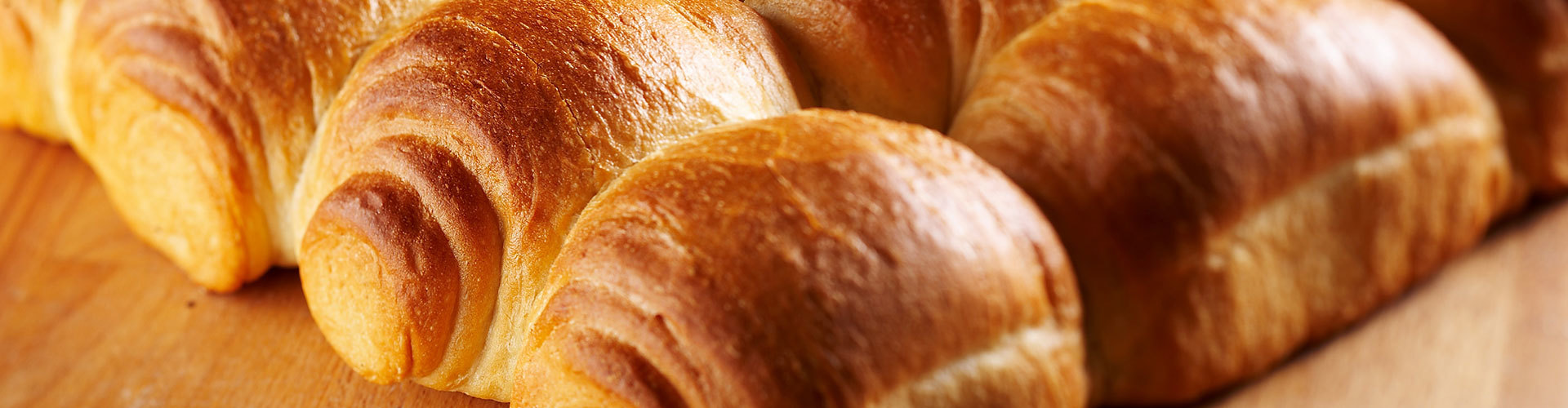
2. Baking and coloring Sugar can have coloring effect, can make bread produce golden color and increase appetite. And can increase the softness of the bread, sugar can shorten the baking time, reduce the loss of water in the oven.
3. Prevent bread aging Sugar is hygroscopic. Sugar, molasses, syrup, etc. can enhance the bread’s ability to retain humidity, inhibit dryness and prevent bread aging.
4. Yeast nutritional agent Sugar is also the energy source for yeast to carry out biochemical action. Yeast relies on the converted monosaccharides to ferment and produce a large amount of carbon dioxide, which increases the volume of bread.
5. Antiseptic effect A sufficient amount of sugar has good antiseptic and fresh-keeping properties, which can ensure that the bread will not deteriorate quickly without the action of preservatives and maintain good freshness.
Sugar is usually 4-16% in bread. If it exceeds 16%, the osmotic pressure will increase, the water balance of yeast cells will be imbalanced and the fermentation speed will slow down. In addition, sugar competes with protein for water and affects the speed of gluten formation. The sugar content of the sweet dough we often make is 20%. Therefore, the sweet dough with high sugar content needs a longer mixing time.
Latest developments

WeChat Public Number
Shandong Yihao Food Co., Ltd
Telephone:86-531-86933666
Fax:86-531-86937666
Mailbox:yihaoyouzhi@163.com
Website:www.yihaoyouzhi.com
Address: Daqiao Economic Development Zone, Tianqiao District, Jinan City (Yihao Food Industrial Park)